When people first begin looking for multifamily property, they usually start close to home. That is understandable because you know the neighborhoods, recognize which parts of town are changing, and have years of information in your head that will never appear in an offering memorandum.
Local knowledge can absolutely help you make a better decision, but I think it becomes dangerous when familiarity starts getting confused with investment quality.
I have seen investors spend months looking at properties that do not meet their financial goals simply because they have decided they want to own close to home. Cash flow is thin, prices are high, or the business plan requires assumptions they normally would not accept, yet they continue trying to make the market work because it feels comfortable and familiar.
At the same time, a stronger opportunity a few hours away can feel automatically riskier because the investor does not know the streets as well. Distance may create more questions, but those questions can actually improve the analysis because they force you to investigate what you might otherwise assume.
Familiarity Can Make Us Less Curious
When you know a city well, it is easy to believe you understand the investment before you have fully studied it. You recognize the neighborhood, know where people shop, understand the traffic patterns, and may even remember how the area has changed over the last ten years.
That background has value, but it can also make assumptions feel more certain than they really are. An investor may accept aggressive rents because they have always thought of the neighborhood as desirable. They may give a property more room on expenses because the location feels strong. The building begins receiving the benefit of the doubt before the numbers have earned it.
An unfamiliar market tends to produce the opposite behavior. You want to know where residents work, what comparable units really rent for, whether professional management exists, what crime looks like, and what is driving demand. Those are exactly the kinds of questions that should be asked everywhere, including the property fifteen minutes from your house. The need for due diligence did not appear because the property was farther away. The distance simply made the need harder to ignore.
I Would Rather Learn a Better Market Than Force a Familiar One
Suppose your home market has become difficult for the type of small multifamily you want to buy. You can still find properties, but most of them require some kind of compromise. The purchase price is too high for the current income, rents need to grow quickly, or expenses have to fall significantly before the return reaches your target.
After analyzing enough deals, patterns like that begin telling you something. The answer is not automatically to lower your standards simply because you would prefer to stay close to home.
Another city two or three hours away may have the property type you want, stronger deal flow, workable management, and financials that make more sense. That does not mean another market automatically solves the problem, but it may be telling you that your search area needs to become larger before your standards become lower.
That is one reason a buy box matters. It should help you recognize the kind of opportunity you are looking for, not keep you trapped inside the geography you already know.
Make the Market Prove Itself
Before expanding into another city, I want enough information to know whether the market deserves serious attention.
| What I Would Study | What I Want to Understand | What Would Concern Me |
|---|---|---|
| Employment & Demand | Are local jobs growing, and what is driving population shifts? | Declining population or a heavy reliance on a single industry. |
| Rents & Pricing | What do comparable units actually rent for, and how do expenses align? | Aggressive rent growth assumptions that the current market cannot support. |
| Management Options | Is professional management available, and how do they operate? | No reliable management infrastructure, requiring the owner to do everything. |
| Neighborhood Quality | What are the crime rates, amenities, and overall property conditions? | High vacancy rates or signs of neighborhood decline and disinvestment. |
| Transaction Activity | How often do properties trade hands, and who is buying them? | Low liquidity or unrealistic seller expectations stalling the market. |
I am not looking for a perfect market because there is no such thing. I am looking for enough evidence to understand why the property should work there and whether the surrounding market supports the strategy I am trying to execute. That changes the question from, “Would I personally live there?” to, “Does this location support the investment I want to own?”
Distance Changes the Management Question

The concern I hear most about buying outside your immediate area is management, and that concern is legitimate. A property several hours away cannot depend on you driving over every time something happens.
That is exactly why I want to understand the management structure before getting too far into a deal. I want to know who handles maintenance, how often ownership receives financial reporting, what happens when a unit sits vacant too long, who approves major repairs, and how quickly I will know if collections begin weakening.
Those questions matter locally too, even though proximity can make them easier to avoid. Being twenty minutes away may feel safer because you know you can show up, but being able to show up is not the same thing as having a strong operating system. If the property only works because the owner personally fills every operational gap, the problem is not really the distance. The problem is that the management plan depends too heavily on the owner.
Learn the Market Before You Need the Deal to Work
One thing I would avoid is discovering a property first and then trying to convince yourself that the market makes sense because you already want the deal. By that point, your judgment can become much less objective.
I prefer learning the market before one particular building becomes important. Talk with brokers and property managers. Look at several properties, including ones you have no intention of buying. Compare rents, expenses, neighborhood quality, and pricing. Drive the market when possible and pay attention to more than the block where the listing sits.
After enough exposure, you begin recognizing what is normal and what deserves another question. That is where Real Estate Deal Analysis becomes much stronger because the spreadsheet is no longer standing alone. You understand the environment around the numbers well enough to judge whether the assumptions are realistic.
This matters even more outside your backyard because you do not have years of casual observation filling in the gaps. You have to build that knowledge intentionally, which can actually make you more disciplined.
Frequently Asked Questions
How far away should I buy my first multifamily property?
There is no distance that works for everyone. I would consider the quality of the market, management options, complexity of the property, and your ability to maintain oversight. A stable property with strong management two hours away may be easier to own than a troubled property close to home.
Is buying in my hometown safer?
Not automatically. Familiarity can be useful, but the property still needs to meet your underwriting standards. Knowing the neighborhood does not make weak cash flow, poor operations, or an inflated purchase price less risky.
How do I research a market outside my area?
Study employment, rents, demand, neighborhood quality, management options, and transaction activity. Then speak with people who operate locally and review enough properties to understand what normal performance looks like.
Do I need a property manager before making an offer?
I would at least want confidence that qualified management is available. Speaking with managers early can also help you understand rents, expenses, maintenance, and neighborhood differences before you commit to a property.
Look at the Boundary You Drew
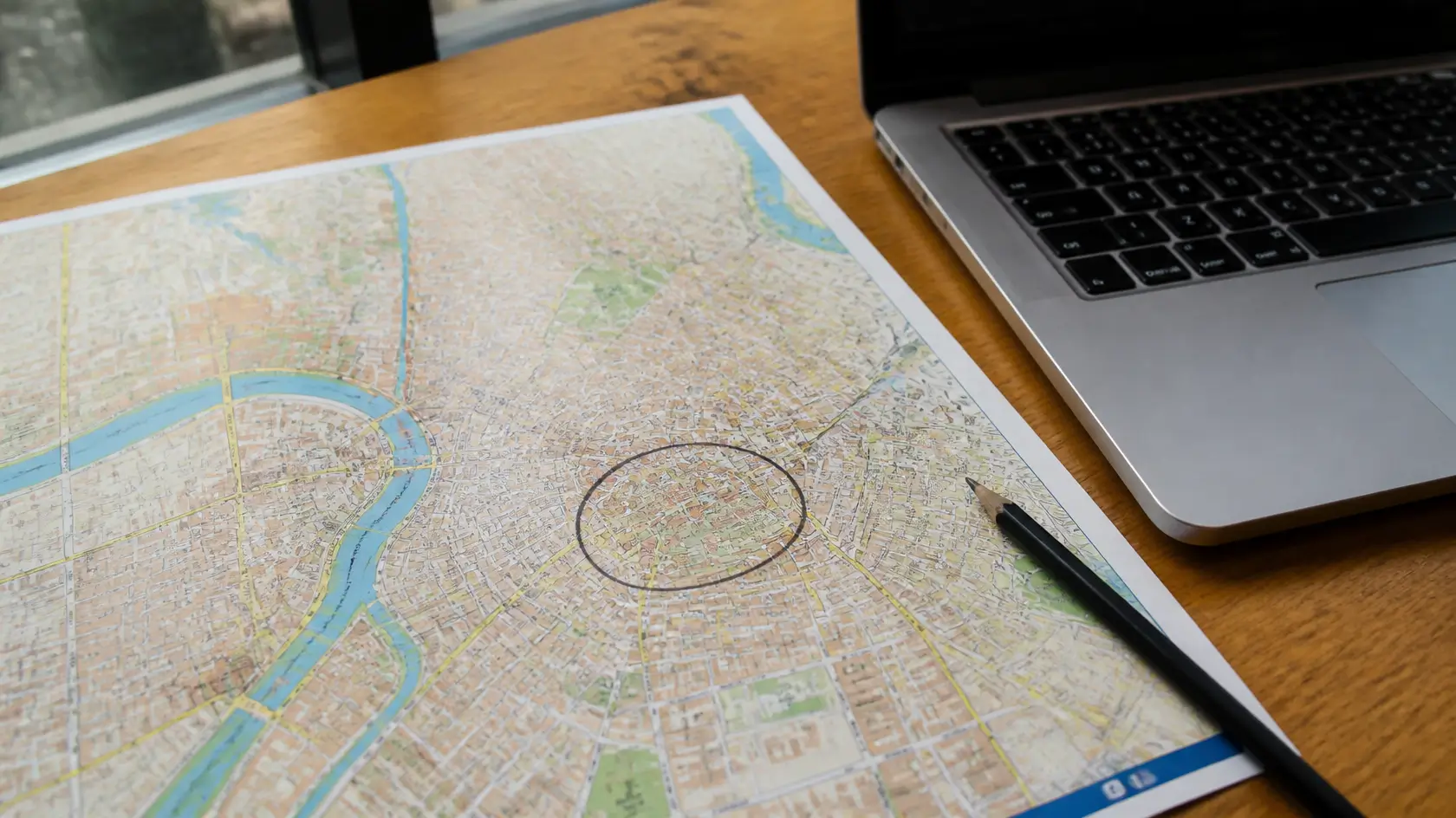
Take the map you have been using for your property search and look at the boundary around the area you are willing to consider. Then ask yourself why that line is there.
It may be there for a very good reason. You may have researched the surrounding markets and decided they do not fit your strategy, your management plan, or your financial goals. But if the real answer is simply that everything outside the boundary feels unfamiliar, then the line may have more to do with comfort than investing.
At Ignite RE Wealth, this is part of what I want investors to understand through Small Multifamily Investing. A buy box should give you discipline, but it should also help you recognize a strong opportunity when it appears somewhere you did not originally expect to look.
The right property may still end up being close to home. I just want it to earn that place in the portfolio for better reasons than being familiar.
Ready to Expand Your Search Area?
Don’t let a ZIP code limit your investing potential. Learn how to properly analyze new markets, find the right management, and build a buy box that works for you, no matter where the deal is located.