In small multifamily investing, it is tempting to treat every gap between current and possible income as money left behind. If you are building passive income through real estate, those gaps deserve attention. They also deserve a second look before you act on them.
There is a particular kind of satisfaction in finding money hiding inside a property.
- A utility expense gets corrected.
- A unit turns faster.
- A vendor contract is renegotiated.
- Rents move closer to where the market supports them.
Those improvements matter.
They are part of owning the business well.
But somewhere along the way, I learned that maximizing every possible dollar and operating a property intelligently are not always the same thing.
What the Spreadsheet Does Not Show You
The spreadsheet rarely tells you that.
It is very good at showing the extra income.
It is less interested in what you may disturb to get it.
The Long-Term Resident Paying Below Market
Imagine a resident who has lived at the property for years. They pay on time, take care of the unit, rarely create problems, and are paying below what a new resident might pay today.
On paper, the opportunity looks obvious.
Raise the rent.
Sometimes that is exactly what should happen.
But I no longer look only at the difference between current rent and market rent. I want to understand the entire decision.
- If that resident leaves, there may be vacancy.
- There will probably be a turn.
- The unit may need more work than expected.
- Management spends time marketing it, showing it, screening applicants, and getting someone new settled.
- Then you have a new resident whose payment history, behavior, and care for the property are still unknown.
Suddenly the additional rent is not the only number in the room.
A Rent Decision Is a Business Decision, Not a Reflex
This does not mean leaving every long-term resident below market forever. That can create its own problems, particularly when expenses continue rising around the property.
It means recognizing that a rent decision is a business decision, not a reflex.
That distinction matters.
I think investors can become so focused on finding upside that we begin treating anything below its theoretical maximum as a mistake.
Real life is messier than that.
The Lowest Expense Is Not Always the Lowest Cost
- A property can be slightly below maximum rent and still be operating extremely well.
- A vendor may not be the cheapest and still be worth keeping because they answer the phone, know the building, and solve problems correctly the first time.
- A property manager may cost more than another company while saving the owner money in places that never appear next to the management fee.
The lowest expense is not always the lowest cost.
The highest revenue is not always the best outcome.
Looking Past the First Number
Experience has made me much more interested in what happens after the first number.
Years ago, if someone showed me an opportunity to create another $10,000 of annual income, my attention naturally went to the $10,000.
Today I am more likely to look at what has to happen to create it.
- Does it require a one-time adjustment that improves the property permanently?
That is interesting. - Does it depend on pushing residents harder than the market actually supports?
Now I want to slow down. - Is there capital involved?
- What could this change do to occupancy, management workload, turnover, or resident satisfaction?
The answer may still be worth pursuing.
I just want the answer to survive the second question.
Why One Decision Matters More on a Small Property
That has become an important part of how I think about Small Multifamily Investing.
On a twenty-unit property, one decision can have a noticeable effect.
- Losing several good residents at the same time matters.
- A slow unit turn matters.
- One poorly chosen vendor relationship can matter.
There are fewer places for a bad operational decision to hide.
A Line Item Can Improve Before the Business Does
That is one reason I believe owners need to understand the property beyond the monthly financial statement.
A report might tell me rents increased.
It may take longer to reveal that turnover increased with them.
The financials may show lower maintenance costs after changing vendors, while the manager is quietly spending twice as much time getting work completed.
A line item can improve before the business does.
That is why context matters.
From Finding Potential to Keeping the Property Healthy
I saw this differently when I first entered real estate.
At the beginning, so much of learning is about identifying potential.
- Where can income increase?
- Where can expenses decrease?
- What improvements will create value?
Those are necessary questions. Good Multifamily Underwriting should identify opportunity.
Ownership eventually adds another question: what does the property need in order to stay healthy while we pursue it?
That changed the way I thought about value creation.
Not Every Property Needs to Be Squeezed
Not every property needs to be squeezed.
Some need to be steadied.
A property that has suffered from inconsistent management may benefit more from six months of reliable communication and better maintenance than from introducing five new fees.
A community with heavy turnover may need to understand why people are leaving before the owner celebrates another rent increase.
There are times when the most profitable thing you can do is stop creating unnecessary friction.
That is not soft management.
It is recognizing that people are part of the operating system.
- Residents are customers.
- Vendors are relationships.
- Property managers are not machines.
Every decision eventually reaches a human being somewhere.
Maximizing Every Dollar vs. Operating the Property Well
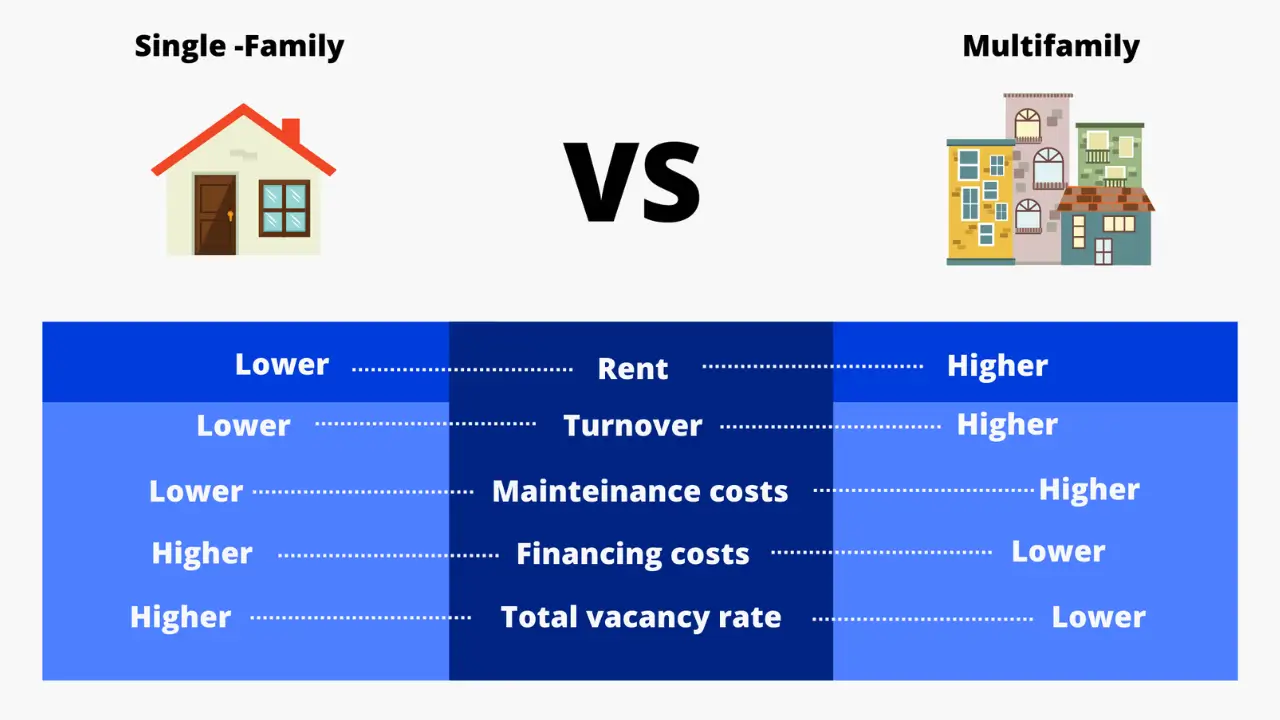
Good property management is full of tradeoffs like these. Here is how the two mindsets tend to play out.
| Area | Chasing Every Dollar | Operating Intelligently |
|---|---|---|
| Rent increases | Push every unit to market right away | Weigh vacancy, turn costs, and the value of a reliable resident |
| Vendors | Pick the cheapest bid | Keep the one who answers, knows the building, and fixes it right the first time |
| Property management | Choose the lowest fee | Give the manager enough resources to operate properly |
| Residents | A revenue number on the rent roll | Customers who are part of the operating system |
| Measuring success | One line item looks better | The whole business actually gets better |
| Time frame | This month | Stability and wealth over time |
Profitability and Stewardship Can Work Together
I think there is an ethical responsibility in that as well.
Real estate is an investment, and I expect investments to perform. I am not embarrassed about wanting properties to make money.
Profit allows us to maintain the asset, pay employees and vendors, improve units, protect investors, and continue buying property.
But profitability and stewardship do not have to work against each other.
In my experience, some of the best business decisions respect both.
- A resident who feels they are being treated fairly may stay longer.
- A good contractor who knows you value their work may answer when you have an emergency.
- A manager who has enough resources to operate properly may protect the property far better than one constantly being pressured to cut every expense.
You cannot always put an immediate number on those things.
That does not make them worthless.
Where Judgment Begins Replacing Formulas
This is where judgment begins replacing formulas.
The formula can tell you what another $50 of monthly rent produces annually.
It cannot decide whether this resident, in this unit, at this property, in this market, should receive that increase today.
The formula can calculate the savings from changing vendors.
It does not know whether the cheaper company will answer the phone at 9:00 on a Sunday night when water is running through a ceiling.
Eventually the owner has to think.
That may be one of the least glamorous parts of becoming experienced.
You stop looking for rules that work perfectly every time.
Instead, you begin recognizing tradeoffs sooner.
Is the Business Actually Getting Better?
- There are still moments when the right answer is to raise the rent.
- There are expenses that should absolutely be cut.
- There are underperforming vendors who need to be replaced.
But I want those decisions to improve the property, not merely improve one cell on a spreadsheet.
That has become my test.
When we make this change, is the business actually getting better?
- Not just this month.
- Not just in one category.
- The whole business.
Sometimes Leaving Money on the Table Buys Stability
Because the goal is not to squeeze every possible dollar out of a property and congratulate ourselves for being clever.
The goal is to own something that performs well, lasts, serves the people living there, and creates wealth over time.
Sometimes those goals point toward the same obvious decision.
Sometimes they ask you to leave a little money on the table.
Experience has taught me not to assume that money was lost.
Sometimes it purchased stability.
Own Properties That Perform and Last
Making smart tradeoffs gets easier when you understand the numbers and the people behind them. Our real estate workshop walks you through analyzing small multifamily deals, from napkin underwriting to making confident offers.
Want ongoing guidance once you own? Join the Wealth Circle for monthly coaching calls and live deal reviews with Cynthia.